What it is, why it matters, and how it works explained simply
If you have ever visited a factory, a mining site, or a logistics yard, you have probably seen a weighbridge, that long, flat platform built into the ground that trucks drive onto to get weighed. It looks simple. And in theory, it is.
But in practice, the weighbridge is one of the most problematic points in any industrial operation. It is where trucks get delayed, where paperwork goes missing, where fraud quietly happens, and where lakhs of rupees are lost every single month, often without anyone realising it.
This guide explains everything you need to know about the unmanned weighbridge system India businesses are increasingly adopting: what the problem actually looks like on the ground, how automation fixes it, what the technology involves, and what to look for before investing. No jargon. No assumptions. Just a clear picture from start to finish.
First, Let Us Understand What a Weighbridge Actually Does
A weighbridge does one job: it records the weight of a vehicle and its load. Every time a truck enters a plant to deliver raw materials or leaves with finished goods, it gets weighed. That weight becomes the basis for payments, invoices, and compliance records.
Sounds straightforward. The problem is everything that happens around that weighment.
In a typical manually operated setup, a truck arrives at the gate. A security guard checks the vehicle. The truck moves to the weighbridge. An operator physically records the weight, fills out paperwork, issues a slip, and manually enters the data somewhere, maybe a register, maybe a computer. The truck then moves through inspection, loading or unloading, and comes back for a second weighment before it can leave. Every single step involves a human, a piece of paper, or both.
At a plant handling even 100 trucks a day, this process becomes a serious operational bottleneck. Scale it to 300 or 400 trucks a day, which is normal for a mid-sized steel or cement plant, and the bottleneck becomes a crisis.
The Real Problems Nobody Talks About Openly

Before we get into solutions, it is worth being honest about what actually goes wrong at manually operated weighbridges. These are not rare incidents. They are daily realities at plants across India.
Trucks are waiting for hours. The average truck turnaround time system at a manually operated industrial weighbridge in India records between 3 and 5 hours per vehicle. That means a truck spends 3 to 5 hours inside your facility from entry to exit. Drivers lose time. Demurrage charges pile up. Your supply chain runs perpetually behind schedule. And you are paying for it whether you notice it or not.
Paperwork that goes missing or gets manipulated. When weight data is recorded by hand, errors happen. Challans get misplaced. Figures get changed sometimes accidentally, often deliberately. By the time the finance team tries to reconcile records at month's end, the discrepancies are baked in and nearly impossible to trace.
Fraud that is hiding in plain sight. This is the uncomfortable truth of manual weighbridge operations. Without proper weighbridge fraud prevention, Indian industries lose hundreds of crores annually. The most common forms: a truck gets weighed twice on the same load and counted as two deliveries. A helper stands on the platform during tare weight capture to inflate the recorded empty weight. A weighbridge operator adjusts figures in exchange for cash. These are not hypothetical risks; they are documented patterns that show up in audit after audit. And they are almost impossible to catch without a digital, tamper-proof record of every transaction.
No visibility for management. Plant managers and logistics heads often have no real-time view of what is happening at the weighbridge. They find out about problems after the fact when a discrepancy shows up in a report or when a vendor dispute escalates. By then, the data needed to resolve it is incomplete or missing entirely.
Compliance exposure. Under the Legal Metrology Act, 2009, all commercial weighing equipment used for trade in India must be officially verified and certified. Every transaction must be recorded in a prescribed format. A transaction recorded on a non-compliant system is legally unenforceable. Many plants are sitting on significant compliance risk without realising it.
What Is an Unmanned Weighbridge and How Does an Unmanned Weighbridge Work?
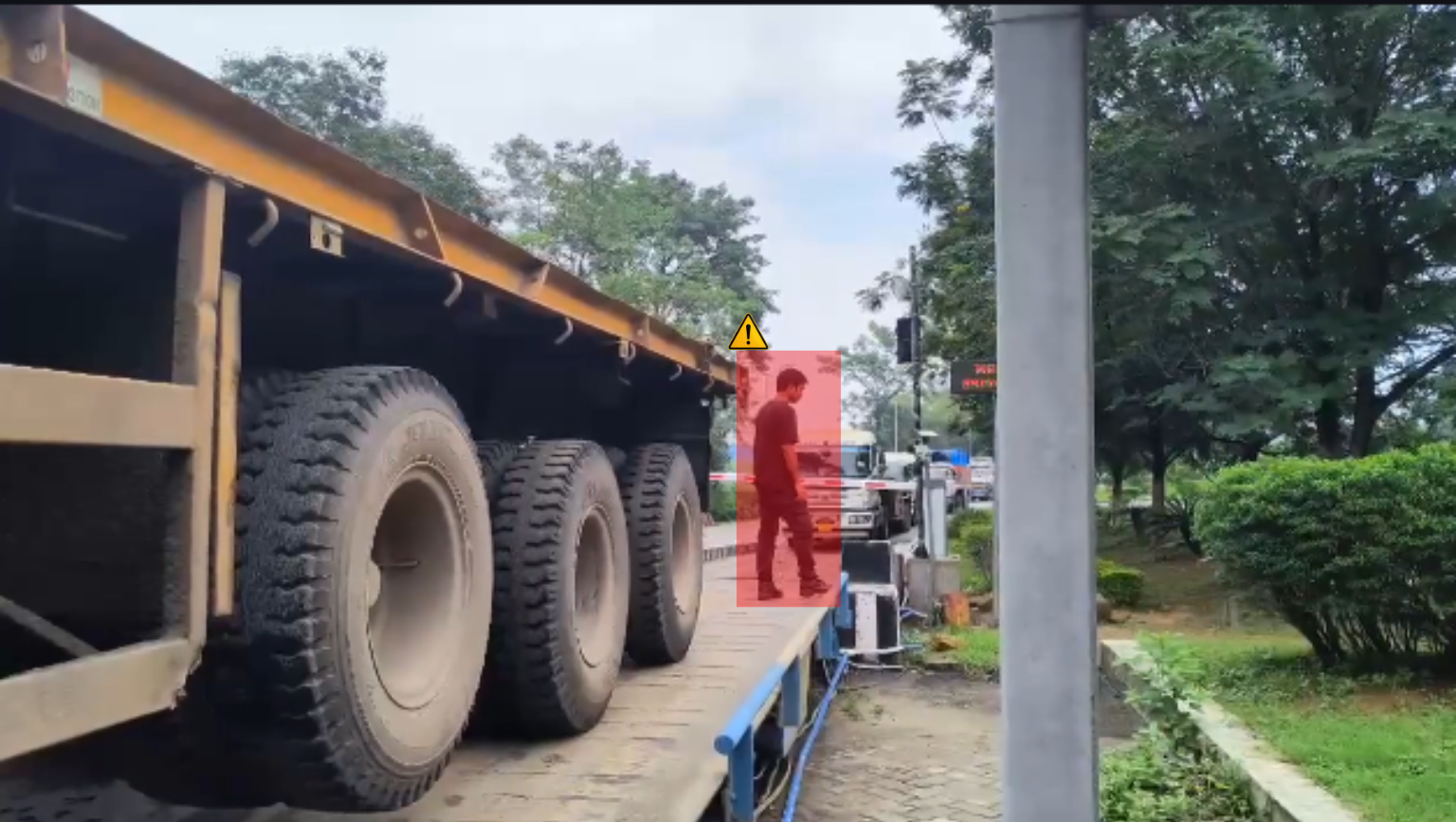
An unmanned weighbridge is a system that handles the entire weighment process, including vehicle identification, weight capture, documentation, and data recording, without needing a human operator at the station. Weighbridge automation India has seen rapid adoption across steel, cement, mining, and power sectors precisely because the operational gains are immediate and measurable.
The keyword is "system." An unmanned weighbridge is not just a camera or a sensor. It is a connected set of hardware and software components that work together to automate every step of the process, create a complete digital record, and flag anything unusual in real time.
Think of it this way. In a manual setup, the weighbridge operator is doing five jobs simultaneously: identifying the vehicle, recording the weight, filling out paperwork, checking the figures, and controlling access. An unmanned system does all five faster, more accurately, and with a complete audit trail that nobody can alter after the fact.
Before and After: Manual vs. Helious Tech Solutions Unmanned Weighbridge

The clearest way to understand what automation actually changes is to follow the same truck through the same journey once under a manual system, once under the Helious AI-Unmanned Weighbridge. The system is built around one promise: accurate, automated, and contactless vehicle weighing, with a complete transaction in 45 seconds.
Truck Arrival & Driver Verification
Before (Manual): The truck arrives at the gate. A security guard checks the vehicle registration by hand, often from a printed list or a logbook. If the guard is on a break, the truck waits. If the vehicle is unscheduled, there's confusion about whether to let it in. And there is no reliable way to confirm that the person driving is the person who is supposed to be driving. The entire process depends on one individual being present, attentive, and working from accurate information.
After (Helious Tech Solutions): The moment the truck approaches, the system identifies the vehicle through RFID/FASTag. At the same time, AI-enabled cameras capture and validate the vehicle registration number (VRN) and cross-check it against the scheduled orders. At the same time, the driver’s face is captured and matched with the Access Management System (AMS) profile created during registration, confirming the driver’s identity. The system then validates the Gate Entry (GE) and vehicle details through ERP/SAP integration.
If the vehicle and driver are authorised, access is granted automatically. If any check fails, entry is denied, and an alert is triggered. The entire process is automated, eliminating dependency on manual verification and ensuring only authorised vehicles and drivers are allowed entry.
Weighment
Before (Manual): The truck drives onto the platform. The operator waits for the reading to stabilise, records the weight sometimes on paper, sometimes on a screen and issues a handwritten or printed slip. Tare weight (the empty weight of the truck) is meant to be checked separately, but in practice, it is frequently not verified properly. That gap is exactly where manipulation enters the system. Start to finish, the process takes 12 to 15 minutes per truck.
After (Helious Tech Solutions): Before the truck even settles, the system runs a Zero Weight Validation, confirming the weighbridge reads zero before the transaction begins, so no residual load or tampering can distort the result. Smart cameras confirm the vehicle is correctly positioned, the gross weight is captured automatically, and a top-view camera photographs the load for material identification a built-in check against pilferage and mis-declared cargo. The system pulls the vehicle's last verified tare weight and calculates net weight instantly. If anything looks wrong, weight outside the expected range, unusual tare drift, a mismatched vehicle or material profile it is flagged and routed to a supervisor before the truck moves. The entire weighbridge transaction, from roll-on to boom-lift, takes 45 seconds.
Documentation

Before (Manual): Weight slips are printed or handwritten. Copies go to the driver, the plant records, and sometimes finance. The data is later keyed into a spreadsheet or ERP separately, often by a different person, hours later, from a paper copy. Errors at this stage are common, and disputes about what was actually recorded are frequent.
After (Helious Tech Solutions): A digital weight slip is generated the instant the weighment completes. The full transaction record vehicle number, timestamp, gross weight, tare weight, net weight, material photo, and order reference is pushed straight into your ERP in real time through seamless integration. Nothing is keyed in by hand. Nothing can be altered after the fact. The record is complete, accurate, and immediately available to everyone who needs it all within the same 45-second cycle.
Exit
Before (Manual): The truck completes loading or unloading, returns to the weighbridge for the exit weighment, and the process repeats. If the outbound weight doesn't match what was declared, it's often not caught until reconciliation if it is caught at all. The truck leaves, and the discrepancy becomes someone else's problem to untangle later.
After (Helious Tech Solutions): Exit weighing is automated exactly like entry. The system automatically compares inbound and outbound weights against the purchase or dispatch order, and any mismatch is flagged instantly before the truck leaves. The boom does not lift for exit until the transaction is verified. Every movement, in and out, is logged as a complete, timestamped digital record.
The Net Effect
Across the full journey, five capabilities do the work that manual systems leave to chance:
- Driver Face Recognition with Aadhaar verification — authenticates the driver, not just the number plate.
- Zero Weight Validation — guarantees a clean baseline before every transaction.
- Top-View Material Camera — visually verifies the load and deters pilferage.
- Seamless ERP Integration — pushes tamper-proof data into your systems in real time.
- 45-second turnaround — the entire transaction, fully unmanned, in under a minute.
A manual process depends on people being present, honest, and accurate at every single step. The Helious system removes that dependency — and with it, the queues, the disputes, and the silent leakage that quietly drains a plant's margins.
The Technology Behind It — Explained Simply
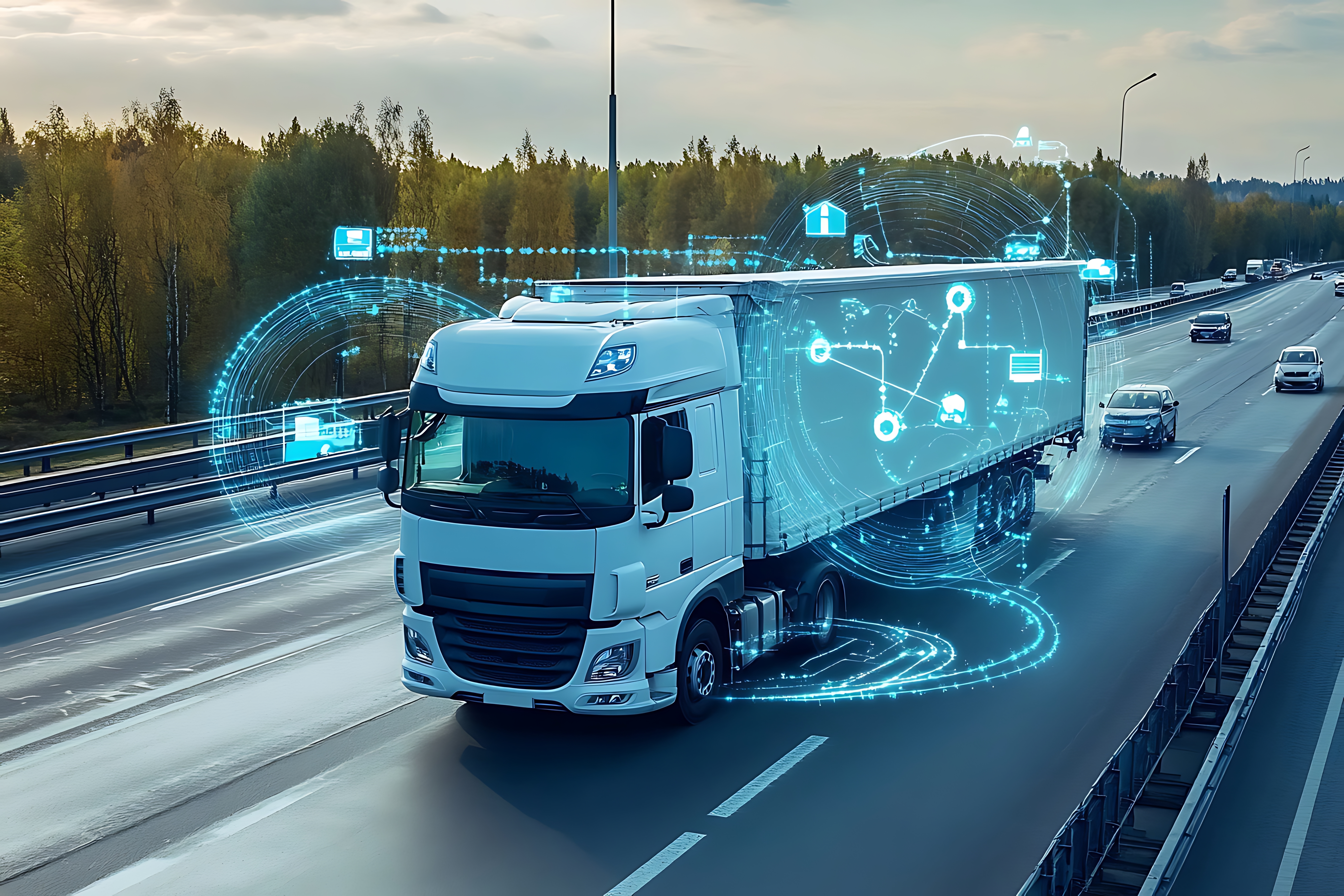
You do not need to be an engineer to understand what makes an unmanned weighbridge work. Here are the key components in plain language:
AI-enabled cameras read vehicle number plates automatically, the same way a FASTag reader identifies your car at a toll booth except faster and more accurate. At industrial sites in India, where dust, poor lighting, and inconsistent plate fonts are common, good unmanned systems use dual cameras (front and rear) with infrared illumination so they work day and night reliably.
RFID Tags are small electronic tags fitted to registered fleet vehicles. When a tagged truck approaches, the system identifies it instantly and pulls up its complete history previous weights, assigned orders, driver details. RFID combined with ANPR gives you double verification on your own fleet, which significantly reduces the risk of ghost trips and identity fraud.
Edge Computing Hardware is the local processing unit at the weighbridge that runs the software, manages the cameras and sensors, controls the boom barriers, and stores transaction data. It needs to be built for industrial environments dust-resistant, temperature-tolerant, and capable of operating without constant internet connectivity.
Weighbridge Management Software (WMS) is the brain of the system. It ties together all the hardware, manages transaction workflows, stores records, generates reports, and connects to external systems like ERP, TMS, and government compliance portals. This is where AI weighbridge software like Helious Tech Solutions truly differentiates itself because the software determines how well the system handles the unusual situations that happen every day in real operations.
The Hidden Costs Most Companies Do Not Budget For
One of the most common disappointments in weighbridge automation projects is the gap between the quoted price and the actual cost. This is not always the vendor's fault but it is worth understanding where the gaps typically appear.
Civil and site work is frequently the biggest surprise. Building or upgrading the weighbridge platform, approach ramps, drainage, and cabling can cost as much as the electronic system itself. This cost must be formally quoted after a proper site survey not estimated from a standard schedule.
ERP integration is a software project, not a configuration task. Connecting your weighbridge system to SAP, Oracle, or a homegrown ERP requires data mapping, middleware, testing, and ongoing maintenance. Budget 6 to 10 additional weeks and roughly 20 to 35 per cent of your software licensing cost for a proper integration. Vendors who do not flag this upfront are underquoting.
Connectivity infrastructure at remote industrial sites is real money. A system that cannot reliably send data is just an expensive recording device. Fibre, cellular, or satellite connectivity needs to be assessed and budgeted before the project starts.
Maintenance contracts beyond year one are where vendors diverge significantly. Ask for a five-year total cost of ownership, not just the capital expenditure figure. The system that looks cheapest at signing often does not look cheapest at year three.
What Does It Actually Cost — and When Does It Pay Back?

For a standard single-lane industrial weighbridge with ANPR, RFID, ERP integration, and 24-hour operation:
- Capital expenditure: ₹15 to 25 lakhs, depending on platform specification, civil work, and software scope
- Annual savings: Primarily from eliminated labour costs and substantially reduced fraud losses
- Realistic payback period: 6-8 months
The less obvious ROI comes from things that are harder to put a number on but very real: cleaner compliance records, better vendor relationships because trucks turn around faster, and operational data that lets you make better decisions about your logistics chain.
Calculate your ROI here: Helious ROI Calculator
How to Choose the Right Vendor
The Indian market has many vendors offering weighbridge automation, from large global companies to specialist domestic providers. Here is what actually separates good vendors from the rest:
Relevant reference installations. A vendor with strong experience in weighbridge automation, cement plant environments, is not automatically the right choice for a weighbridge automation steel plant deployment. Load types, throughput requirements, integration complexity, and fraud risk profiles differ significantly between industries. Ask for reference customers in your specific sector and actually call them.
Integration experience. Ask directly: how many of your live installations are integrated with SAP, Oracle, or your specific ERP? Who did that integration work? Can you speak to their IT team? Vendors who have never done a real ERP integration will consistently underestimate the effort and you will pay for that gap.
Software they own and control. When doing a weighbridge software comparison, one of the most important questions to ask is: Does this vendor own the software, or are they reselling a third-party product? If that software provider changes direction or is acquired, your support path changes with it. Understand who controls the roadmap of the software you are buying.
Compliance knowledge in your state. Legal metrology verification processes vary by state. A vendor unfamiliar with your state's Weights and Measures department adds real project risk. Helious Tech Solutions, for instance, has navigated type-approval and compliance verification across multiple states and industries, which means that part of the project does not become a learning exercise at your expense.
Post-installation support. For a 24-hour operation, a weighbridge outage is a production stoppage. What is the SLA for on-site response? Is remote diagnostics included? These questions matter more in year two than they do during the sales process.
A Realistic Implementation Timeline
Most vendors quote 8 to 12 weeks for implementation. In reality, when you include civil work, regulatory approvals, integration, and testing, most projects run 16 to 24 weeks. Here is what a realistic breakdown looks like:
Site survey and planning (2–3 weeks): Civil assessment, connectivity audit, integration scope, compliance requirements.
Civil and infrastructure work (4–8 weeks): Foundation, ramps, cabling, connectivity. This phase is most subject to delay.
Equipment installation (2–3 weeks): Platform, load cells, cameras, barriers, edge hardware.
Software setup and ERP integration (4–8 weeks): AI model configuration, ERP connection, exception workflows. Duration depends heavily on integration complexity.
Testing and parallel running (3–4 weeks): End-to-end testing, user acceptance, running both systems simultaneously before full cutover.

Why This Decision Matters More Than Most Companies Realise
Unmanned weighbridge automation is not a technology purchase. It is an operational decision with financial consequences that compound over the years.
Every truck that waits an extra two hours at your weighbridge is a cost. Every fraudulent transaction that slips through is a cost. Every compliance gap is a liability. Every manual data entry error is a reconciliation headache. These costs do not show up on a single line in your P&L they are distributed across logistics, operations, finance, and compliance. Which is exactly why they persist for so long without being fixed.
The plants and facilities that have made this shift and companies like Helious Tech Solutions, widely regarded as the best weighbridge automation company India has to offer for heavy-industry deployments, have helped hundreds of them across steel, cement, mining, and power consistently report the same outcome: the system pays for itself, the fraud exposure drops dramatically, and the management team finally has the visibility they need to run logistics on data rather than gut feel.
The technology is proven. The ROI is real. The question is simply whether you are ready to build a complete plan one that covers not just the hardware and software, but the integration, the compliance, the civil work, and the change management that makes automation actually work.
If you are, the queue at your weighbridge is not a permanent feature of your operation. It is a problem that already has a solution.
Frequently Asked Questions
Q1: What is an unmanned weighbridge in simple terms?
A: It is a weighbridge that identifies vehicles, captures weight, generates documents, and records data automatically — without needing a human operator present. Every step from gate entry to exit is handled by cameras, sensors, and software working together.
Q2: How much does unmanned weighbridge automation cost in India?
A: For a standard single-lane setup with ANPR, RFID, and ERP integration, expect ₹25 to 55 lakhs in capital expenditure. Civil work and integration costs are often underquoted — always ask for a full site-assessed figure before comparing proposals.
Q3: How does weighbridge fraud prevention work in an automated system?
A: It removes the human operator from the transaction entirely, uses triple verification (ANPR camera + RFID tag + vehicle profile), detects anyone standing on the platform during weighment, and creates a tamper-proof digital record of every transaction that pushes directly to the ERP.
Q4: Does it work with our existing ERP, like SAP or Oracle?
A: Yes — but treat ERP integration as a dedicated project, not a plug-and-play step. Budget 6 to 10 weeks and 20 to 35% of software licensing costs for proper integration. Helious Tech Solutions has live integrations across major ERP platforms and can provide reference customers on request.
Q5: How long does implementation take?
A: Realistically, 16 to 24 weeks end-to-end when civil work, regulatory verification, integration, and testing are properly included. Proposals quoting 8 to 12 weeks typically exclude one or more of these phases.
Q6: Can an existing weighbridge be converted into an unmanned weighbridge?
A: Yes. In most cases, existing weighbridges can be upgraded without replacing the weighbridge structure or load cells. AI cameras, RFID readers, boom barriers, kiosks, software, and ERP integrations can be added to convert a manual weighbridge into a fully automated, unmanned weighbridge system. A site survey is typically required to determine the feasibility and scope of an upgrade.
Q7: What is the ROI of an unmanned weighbridge system?
A: Most industrial facilities achieve a return on investment within 6 to 18 months, depending on vehicle volumes and current operational inefficiencies. Savings are typically generated through reduced manpower requirements, faster truck turnaround times, elimination of fraud, improved dispatch efficiency, and automated data management.
Q8: How does an unmanned weighbridge prevent fraud?
A: Modern weighbridge automation systems use multiple layers of verification, including RFID, FASTag, ANPR (Automatic Number Plate Recognition), driver authentication, AI vehicle profiling, and human detection. Every transaction is digitally recorded, making manipulation, duplicate weighings, unauthorized entries, and weight tampering significantly more difficult.
Q9: Can the system identify the material being transported?
A: Yes. Advanced AI-enabled weighbridge systems use top-view cameras and computer vision algorithms to capture images of the load. This allows operators to verify material type, monitor loading quality, and reduce the risk of incorrect declarations or pilferage.
Q10: Does weighbridge automation work in dusty and harsh industrial environments?
A: Yes. Industrial-grade unmanned weighbridge systems are specifically designed for challenging environments such as steel plants, mining operations, cement facilities, power plants, and ports. Weatherproof cameras, industrial edge controllers, and ruggedised hardware ensure reliable operation in dust, rain, heat, and low-light conditions.
Q11: Can the system work without an internet connection?
A: Yes. Most modern weighbridge automation solutions operate on local edge computing infrastructure and can continue processing transactions even during internet outages. Data is synchronised automatically once connectivity is restored.
Q12: How many trucks can an unmanned weighbridge handle per day?
A: Depending on site layout and operational workflow, a single unmanned weighbridge lane can comfortably process several hundred vehicles per day. Facilities with high traffic volumes can deploy multiple lanes and centralized monitoring for even greater throughput.
Q13: Does the system maintain a complete audit trail?
A: Yes. Every transaction is recorded with vehicle details, timestamps, driver information, images, weight records, and user actions. This creates a tamper-proof audit trail that simplifies investigations, compliance reporting, and operational reviews.
Q14: What happens if a vehicle is not positioned correctly on the weighbridge?
A: AI-powered positioning cameras continuously monitor vehicle alignment. If the vehicle is not correctly positioned, the system provides audio-visual guidance and prevents weighing until proper positioning is achieved, ensuring accurate weight capture.
Q15: Can driver identity be verified automatically?
A: Yes. Advanced systems can use facial recognition, Aadhaar-based verification workflows, employee databases, contractor records, and access management systems to verify driver identity before allowing a transaction to proceed.