How Helious Tech Solutions is eliminating manual rake management and redefining rail logistics for India’s steel, power, and cement industries — one rake at a time.
The Phone Call That Is Costing Indian Industry Billions
A 58-wagon rake carrying 3,800 tonnes of coking coal is somewhere on the network. Your blast furnace is waiting. Your operations manager is on his third call to the railway control room. Someone is hunting for the paper FNR register. A supervisor is walking across the tippler yard to check if the crew is in position.
By the time everyone is coordinated, the rake has been sitting idle for two hours — clocking demurrage every minute.
This is not a bad day. This is every day at most plants across India.
India moves over 1.5 billion tonnes of freight by rail annually, yet rake management at most industrial sidings remains stubbornly manual — phone calls instead of live tracking, paper registers instead of digital verification, workers in hazardous tippler zones instead of automated systems. The cost is enormous: demurrage charges running into crores annually, production stoppages from delayed arrivals, material losses from incomplete tippling, and safety risks that are frankly unacceptable.
This article breaks down exactly how Rake Guard fixes this — what it automates, what it saves, and why it outperforms every alternative.
What Makes Rake Guard Different: An End-to-End Rake Management System India Has Never Had Before
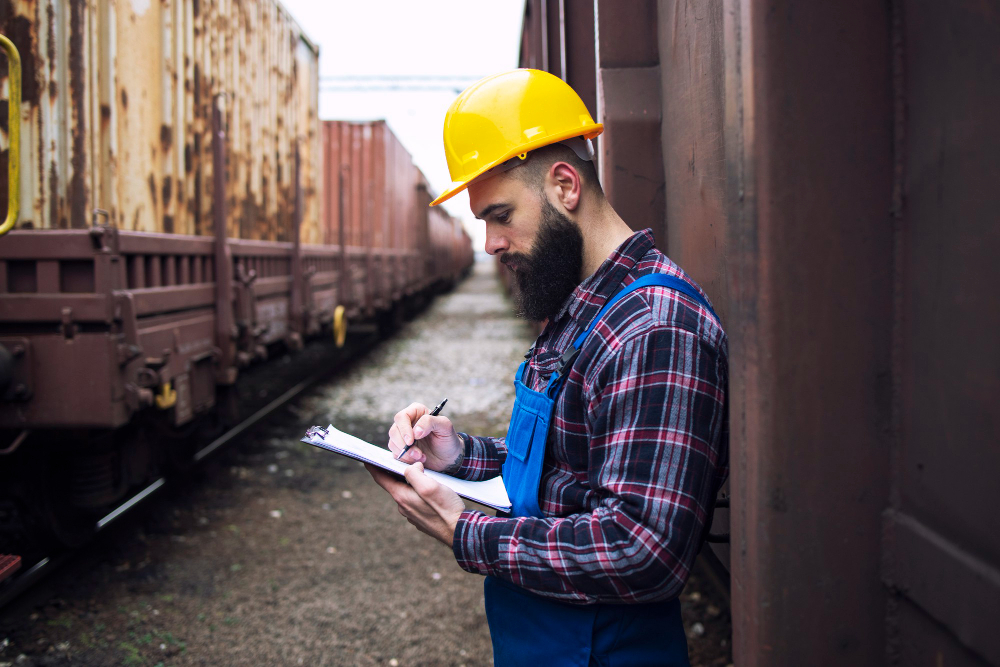
Most solutions in this space solve one piece of the problem. A tracking tool here. A weighbridge system is there. Maybe a CCTV feed for the tippler area. Rake Guard is not a collection of point solutions. It is a unified, AI-powered platform that manages the complete lifecycle of a rake — from the moment it is dispatched at origin to the moment the last wagon’s net weight is reconciled against FOIS records. Every module connects to the next. Every data point feeds the central dashboard. Nothing falls through the cracks.
Here is how the full process flows:
- Rake dispatched at origin → FOIS integration activates, live tracking begins
- Advance alert sent to plant team → yard, crew, and equipment prepared before arrival
- Rake arrives at plant siding → FNR auto-verified, wagons identified by AI cameras
- Structural inspection → each wagon scanned for defects, bulging, and compliance
- Yard routing → Smart Yard System assigns wagons to tracks and tipplers
- Automated tippling → PLC-driven unmanned tippler handles positioning, tippling, and re-tippling
- Weighing and reconciliation → each wagon was weighed and matched against FOIS data
- Real-time dashboard update → all data flows to live performance monitoring
Every one of these steps — which previously required multiple people, multiple phone calls, and multiple manual records — is now handled automatically. Let us go through each one.
Module 1: FOIS Tracking Integration — Know Before It Arrives
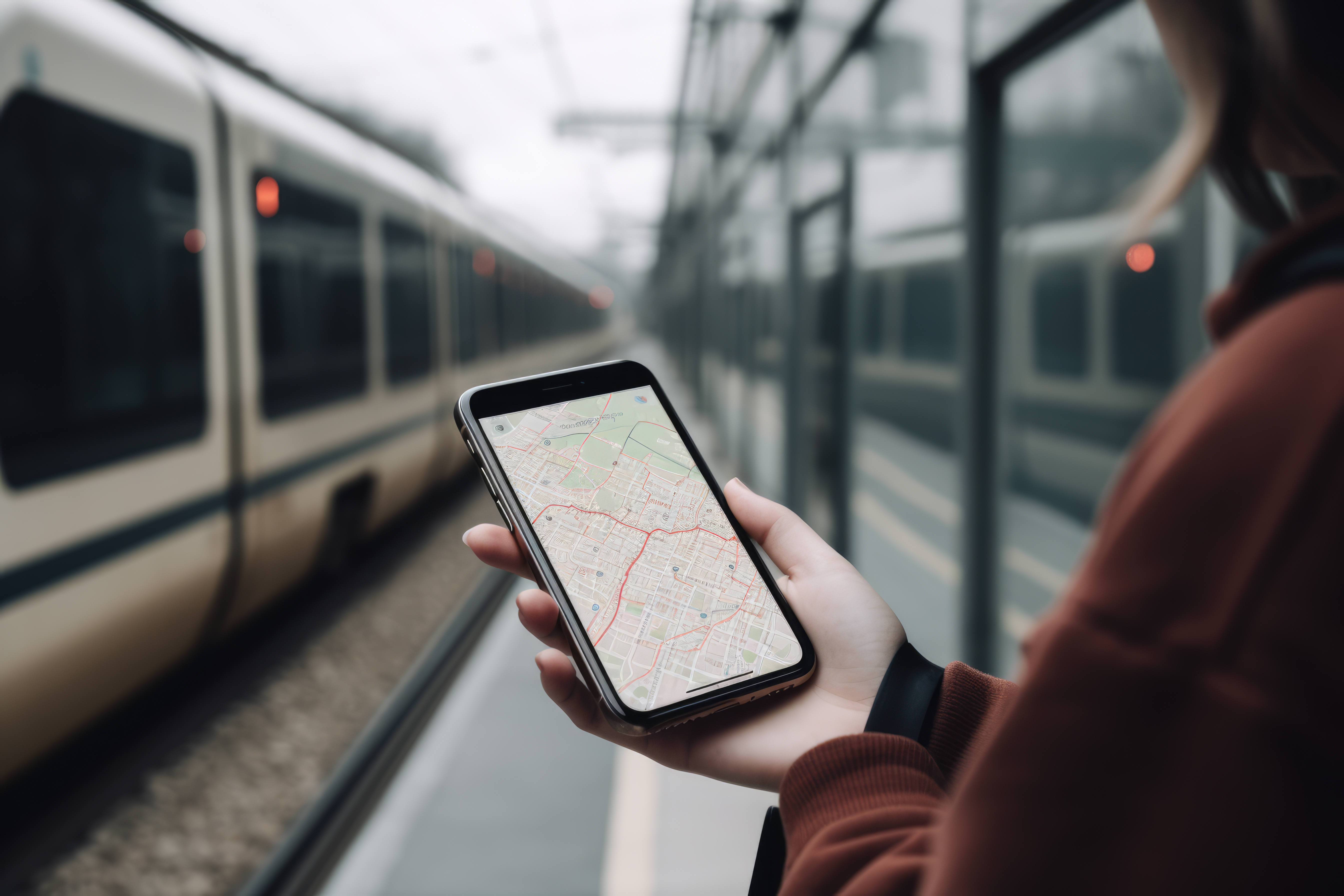
The single biggest shift Rake Guard creates is this: your team stops reacting to rake arrivals and starts preparing for them.
Rake Guard integrates directly with Indian Railways’ Freight Operations Information System (FOIS) using FNR-based data feeds. From the moment a rake is dispatched, the system has live visibility of its location — not once it reaches your gate, but continuously, as it moves across the network. No more calls to the railway control room. No more waiting for someone to spot the rake at the level crossing.
As the rake moves toward the plant, Rake Guard automatically cross-checks the FNR data against the expected consignment: commodity type, quantity, wagon count, consignor, and destination. If there is any mismatch — wrong commodity, short loading, incorrect wagon count — the system flags it immediately and alerts the operations team. Problems are caught before the rake arrives, not after it has already occupied a yard line.
When the rake crosses predefined proximity thresholds, advance notifications go out automatically to yard managers, equipment operators, and crew. They have time to assign yard lines, position side chargers, and deploy manpower — so unloading begins the moment the rake arrives.
The result: Rake handling delays reduced by 2 to 6 hours per rake. For a plant receiving 3 to 5 rakes daily, that is 6 to 30 hours of recovered operational time every single week.
This FOIS tracking integration is not just a convenience feature. It is the foundation that makes everything else in Rake Guard possible.
Module 2: AI-Based Wagon Structural Inspection — Every Wagon, Every Time
Once a rake enters the plant, someone needs to check every wagon: record the number, verify the condition, and flag any damage. Traditionally, this means a worker walking alongside a 58-wagon rake with a clipboard in an active industrial yard. It is slow. It is error-prone. And in a yard where locos are moving and equipment is operating, it is dangerous.
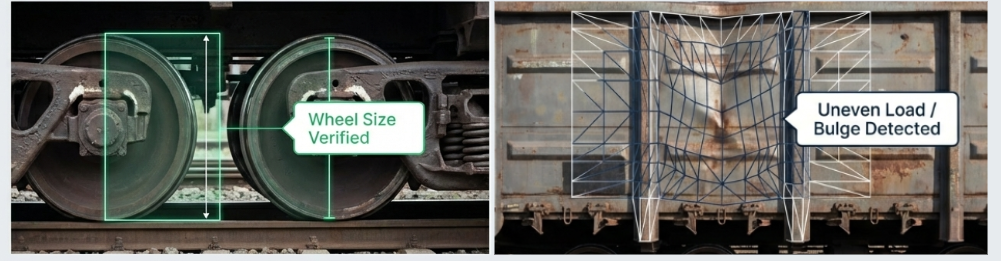
Rake Guard replaces this entirely with AI-enabled camera systems positioned at the plant entry point. As each wagon passes through, the system automatically captures its image, extracts the wagon number using optical character recognition, and maps it to the FNR record — creating a verified digital identity for every wagon before it reaches the unloading zone.
Beyond identification, the AI performs a full structural inspection in real time:
- Bulged wagon detection: Wagons with deformed side panels are flagged automatically. A bulged wagon that enters a tippler creates a catastrophic jam. Catching it before it gets there eliminates an entire category of equipment damage and production stoppage.
- Damaged panels and faulty locks: Structural damage that could cause spillage or unsafe tippling is identified and logged.
- Tarpaulin coverage verification: For materials requiring covered transit, the system checks whether tarpaulins are present and correctly secured.
- Wagon type recognition: The system identifies whether each wagon is side-gate or bottom-gate — information that directly determines how it should be routed and unloaded.
- Wheel size verification: Wheel dimensions are checked against tippler and track specifications.
All inspection results are logged digitally in real time. Supervisors receive instant alerts for any failed wagon. The compliant wagons continue without any disruption to flow. This level of inspection — applied to every single wagon, on every single rake, every single day — is not achievable through manual processes. With Rake Guard, it takes seconds.
Module 3: Smart Yard Movement Monitoring — Real-Time Routing Without Radio Calls
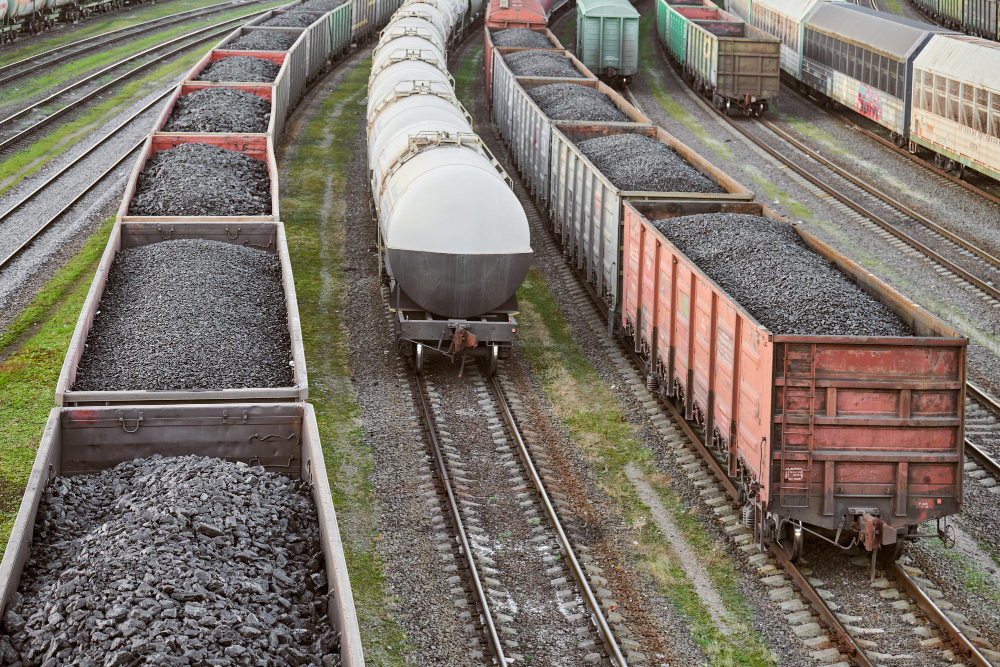
A busy plant yard with multiple rakes, multiple tracks, and multiple tipplers operating simultaneously is a coordination challenge that no human dispatcher can fully optimise in real time. Track assignments get sub-optimal. Wagons queue unnecessarily. Tipplers sit idle while the yard is congested.
Rake Guard’s Smart Yard Movement Monitoring System handles this coordination automatically. It maintains a continuous real-time map of yard occupancy and assigns each wagon to the correct track and route without any manual input. The routing logic accounts for:
- Track availability: Wagons are routed to prevent congestion before it forms.
- Material type: Different commodities are routed to different hoppers or storage areas.
- Wagon type: Side-gate and bottom-gate wagons require different handling paths.
- Operational priority: Urgent consignments are flagged for priority routing.
- Real-time status changes: If a track or tippler goes offline, the system instantly recalculates and reroutes affected wagons.
The result: Overall rake turnaround time (TAT) reduced by 10 to 25%, with no additional infrastructure required. A 15% TAT improvement on a plant handling 4 rakes daily translates to over 1,700 hours of recovered plant time annually.
Module 4: Wagon Tippler Allocation — Maximum Utilisation, Zero Idle Time
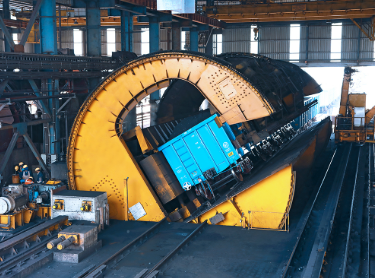
Plants that operate multiple tipplers face a constant sub-problem: which wagon goes to which tippler, and what happens when one goes offline? Manual coordination means someone is always making that decision reactively — and rarely optimally.
Rake Guard’s Wagon Tippler Allocation module automates this entirely. The AI monitors the real-time status of every tippler — operating, idle, under maintenance, or at capacity — and automatically assigns each incoming wagon to the most appropriate available tippler based on sequence, material type, wagon type, and current operational status across the tippler fleet.
When a tippler unexpectedly goes offline, Rake Guard does not wait for a supervisor to notice and redirect wagons manually. It reroutes instantly, maintaining continuous unloading flow without interruption. The result is maximum tippler utilisation at all times — and no production stoppages caused by coordination failures.
Module 5: Unmanned Wagon Tippler Automation — The Centrepiece of Rake Guard
This is where the transformation becomes most visible.
In a conventional tippler setup, operators manually oversee every stage of the tippling cycle: position the wagon, engage the clamps, initiate the tip, monitor the unload, and reset for the next wagon. Operators are present in a physically demanding, potentially hazardous environment for every cycle of every shift. Fatigue, distraction, and human error are not exceptions — they are statistical certainties over time.
Rake Guard’s unmanned wagon tippler automation eliminates all of this. Using AI cameras, sensors, and PLC automation, the entire tippling cycle is managed by the system from entry to exit.
AI Identification at the Tippler
As each wagon approaches, AI cameras capture its number and map it to the FNR record. For wagons with unreadable numbers — due to paint damage, dirt, or weathering — the system automatically assigns a reference ID. The wagon’s identity is preserved throughout, ensuring complete traceability even in imperfect real-world conditions.
Automated Positioning and PLC-Driven tippling
Once identified, the wagon is positioned automatically using PLC-controlled equipment. AI cameras monitor alignment and make micro-adjustments as needed to ensure correct seating before tippling begins. The tippling sequence — clamp engagement, rotation, reset — is executed entirely by automated PLC logic. No operator input required at any stage.
Smart Re-Tipple Logic
After each tip, an AI camera inspects the wagon bed for residual material. Even small quantities of coal or ore left behind represent material loss and consignment inaccuracy. If residual material is detected above threshold, the system automatically triggers a re-tippling — without any human needing to notice. The wagon is tipped again, the bed re-inspected, and the cycle continues until the wagon is fully empty.
Smart Weighing and Auto Reconciliation
Weighing is integrated directly into the tippling process. Top-view AI cameras verify load status before tippling. Gross weight is captured at the weighbridge. Tare weight is calculated from the empty wagon, and net weight is recorded against the wagon’s digital identity.
This net weight data is then validated automatically against the ULIP-FOIS consignment record. If the received weight does not match the dispatched weight within acceptable tolerance, the system generates an alert. Short-loading, pilferage, and measurement errors — which would previously surface days later in a manual audit — are caught at the source, in real time.
Every wagon. Every rake. Automatically identified, positioned, tipped, re-tipped, weighed, and reconciled. Zero manual intervention.
Module 6: AI-Based Human Detection — Safety That Does Not Rely on Discipline
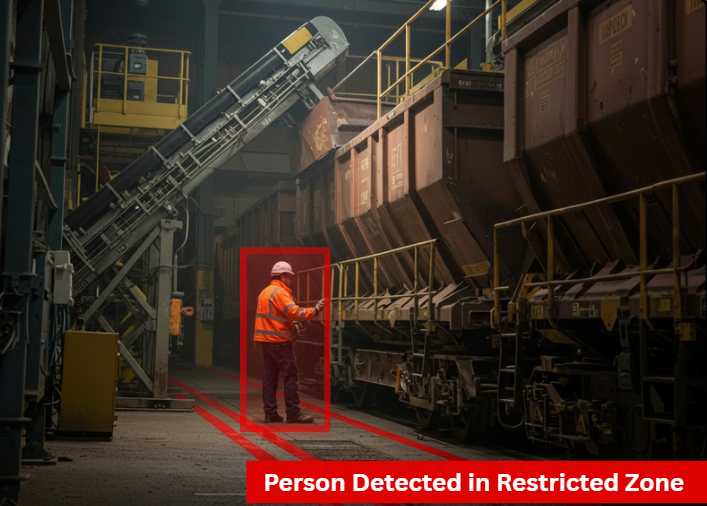
Industrial tippler operations are inherently hazardous. The forces involved in rotating a loaded 70-tonne wagon are enormous. Any human presence in the active zone during a tippling cycle is an unacceptable risk. In manual operations, safety depends entirely on workers following procedures correctly — every time, without exception, across every shift.
That is not safe. That is hope.
Rake Guard removes this dependency entirely. AI-powered cameras continuously monitor the side charger area throughout tippling operations. Before every cycle, the system scans the zone and verifies it is clear of human presence. Only after this confirmation does the tippling sequence begin. If a person enters the restricted zone during an active cycle, the tippler halts immediately and generates an alert.
This is not a supplementary safety feature. It is a hard interlock built into the operational logic. There is no way to bypass it, no way to skip the check. The tippler cannot operate while a human is present in the danger zone. Full stop.
Module 7: Hopper Efficiency and Blockage Management
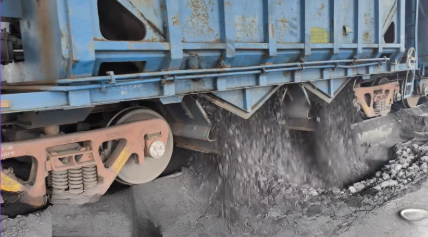
Once a wagon is tipped, the material enters a hopper for onward processing or storage. Rake Guard tracks the availability and status of every hopper in real time. Each wagon is directed to the most suitable available hopper automatically. Camera-based alignment checks confirm correct positioning before tippling begins. If alignment is off, the system alerts the operator before the cycle starts — preventing spillage and material loss.
If an oversized rock or foreign object causes a blockage, AI cameras detect the obstruction and alert the maintenance team immediately. If a hopper becomes fully unavailable, Rake Guard automatically reroutes incoming wagons to an alternative, ensuring unloading continues without interruption.
Module 8: Level Crossing Automation System
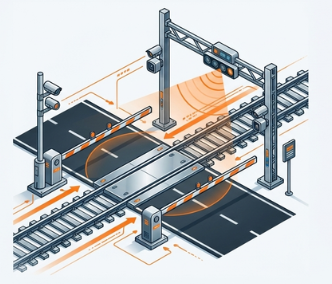
Every rail-served plant has at least one level crossing where the rail line intersects with plant roads or external access routes. Managing these manually requires a dedicated operator on watch at all times. It is tedious, error-prone, and a safety liability.
Rake Guard automates it entirely using its FOIS tracking integration to detect approaching rakes in advance and positions AI cameras at crossing points. Boom barriers activate automatically as a rake approaches. During passage, cameras scan continuously for obstacles on the track. After the rake clears, barriers reset automatically, and all crossing data — time, rake identity, duration — is logged digitally.
From Arrival to Reconciliation: How All Eight Modules Come Together
- 01 FNR-based advance rake tracking integrated with Indian Railways FOIS, giving the agentic layer 2 to 6 hours to plan and pre-position yard resources before rake arrival — directly reducing idle time and demurrage exposure
- 02 AI-based wagon structural inspection identifying defects — bulged walls, damaged panels, faulty locks — before wagons reach the tippler, preventing equipment damage and safety incidents
- 03 Smart yard movement monitoring that routes each wagon in real time based on track availability and priority, designed to reduce rake TAT by 10 to 25 percent
- 04 Intelligent tippler assignment routing every wagon to the right tippler based on material type, wagon type, and real-time availability — with autonomous rerouting during downtime
- 05 Unmanned wagon tippler automation handling the complete tippling cycle through AI cameras, sensors, and PLC sequences — including Smart Re-Tipple, which detects and recovers residual material post-unloading automatically
- 06 Smart hopper management directing wagons to the most suitable hopper in real time, with instant blockage detection and autonomous rerouting
- 07 AI-based human detection in the side charger area that immediately halts tippling if any person enters a restricted zone during active operations
- 08 Automated level crossing control activating and resetting boom barriers without manual intervention, with complete event logging and audit trail.
Wagon Tippler vs Track Hopper: Which System Actually Delivers?
This is a question that operations heads and plant engineers wrestle with during capital planning — and it deserves a direct answer.
Track hoppers are bottom-discharge systems where wagons pass over a hopper and release material through the bottom doors. They are relatively simple in concept and work well for free-flowing materials. However, they come with significant limitations in heavy-industry contexts:
- Material dependency: Track hoppers require wagons with functional bottom-discharge doors. Faulty door mechanisms — common in aged rolling stock — cause blockages and material spillage.
- Incomplete discharge: Materials like wet coal or sticky iron ore fines do not flow freely. Bottom-discharge systems frequently leave significant residual material in wagons.
- No re-tippling capability: Track hoppers cannot re-tip a wagon to clear residual material. What is left in the wagon goes back with it.
- Limited wagon compatibility: Track hoppers are compatible only with BOXN and similar bottom-door wagon types.
For plants handling large volumes of coal, iron ore, limestone, or mixed commodity types — particularly with aged or mixed rolling stock — the automated wagon tippler paired with Rake Guard is not just better. It is the only system that can guarantee consistent, complete discharge and real-time material accountability.
The Real Cost of Manual Rake Management: An ROI Breakdown
Let us put numbers to the problem — because the business case for Rake Guard is not aspirational. It is arithmetic.
Demurrage Cost Recovery
Indian Railways charges demurrage for rakes held beyond the permissible free time at plant sidings. A conservative estimate for a medium-sized steel plant receiving 3 rakes daily runs to ₹8–15 lakh per month in avoidable demurrage charges, caused entirely by delayed preparation and slow unloading. Rake Guard’s advanced FOIS tracking integration eliminates preparation delays. With 2 to 6 hours recovered per rake, at 3 rakes per day, that is 180 hours of demurrage exposure eliminated every month.
Turnaround Time (TAT) Improvement
A 10–25% TAT improvement on a 4-rake-per-day plant means the capacity to handle an additional half to one rake per day without any infrastructure expansion. For a steel plant, each additional rake processed translates to 2,500–3,800 tonnes of additional raw material throughput. At current iron ore and coal prices, the incremental production value of one additional rake per day runs to several crores of rupees monthly.
Material Loss Prevention
Without automated re-tippling and real-time reconciliation, material losses go undetected until manual audits. Industry estimates put unaccounted material losses at 0.5–1.5% of throughput in manually managed systems. For a plant handling 10,000 tonnes per day, that is 50–150 tonnes daily in unaccounted material. At ₹5,000 per tonne for coking coal, Rake Guard’s reconciliation system catches and eliminates ₹25–75 lakh per day in potential losses.
Safety Incident Cost Avoidance
A single lost-time injury in a tippler area costs a plant far beyond immediate medical and compensation liability: regulatory shutdowns, production stoppages, compliance penalties, and reputational damage. The AI human detection interlock in Rake Guard eliminates this category of risk entirely.
Where Rake Guard Is Deployed
Rake Guard is purpose-built for India's heavy industries, deployed successfully across:
- Steel Plants: Automates coal, iron ore, and limestone unloading with faster tippler cycles and AI wagon routing.
- Thermal Power Plants: Eliminates coal rake turnaround delays, ensuring uninterrupted fuel supply to boilers.
- Cement Industry: Streamlines clinker, gypsum, and coal handling with automated unloading and precise inventory reconciliation.
- Mining & Minerals: Delivers full end-to-end visibility of mineral rakes from mine to processing plant.
Real-Time Reporting and Performance Monitoring
All data generated across Rake Guard’s modules flows into a centralised real-time dashboard that gives plant managers complete operational visibility at all times:
- Live operations view: Real-time status of every active rake, every wagon in the yard, every tippler in operation, and every hopper in use — all on one screen.
- Shift-wise performance: Automatically compiled reports on wagons processed, tonnes unloaded, tippler cycles completed, and alerts generated per shift.
- Yard-wise analytics: Breakdown of performance by yard section, track, and tippler — enabling managers to identify and resolve bottlenecks proactively.
- Product-wise tracking: Reconciliation of received material quantities against dispatched quantities, by commodity type and consignment.
- Automated delay detection: The system identifies delays and bottlenecks as they occur and highlights them on the dashboard for immediate intervention.
Instead of end-of-shift verbal updates and paper reports, plant managers see exactly what is happening across their entire rake operation at any moment — and act on it in real time.
The Future of Rake Management Is Already Here
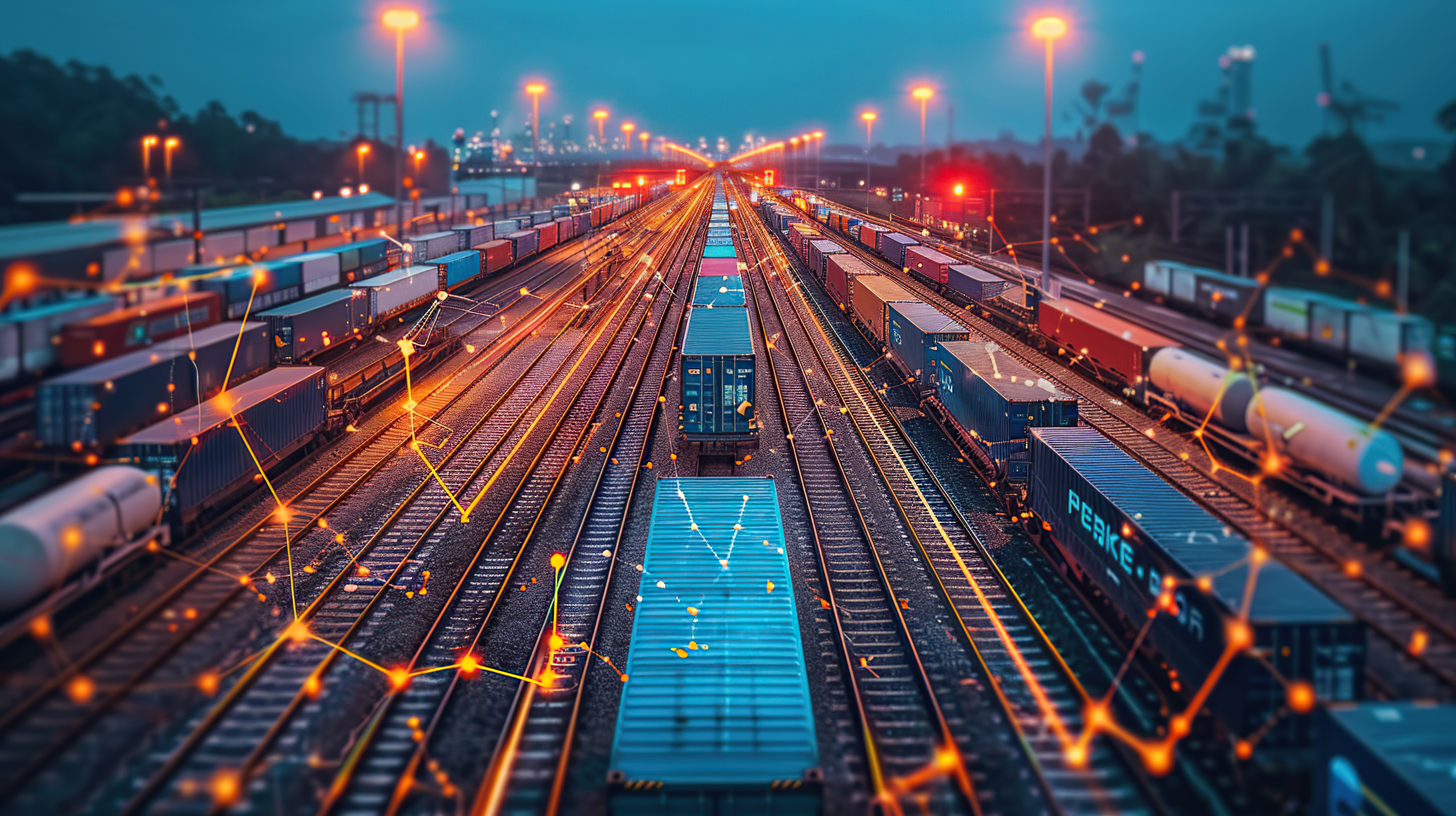
The gap between how rake management has always been done and how it should be done is no longer a technology problem. The technology exists, is proven, and is live across more than two dozen of India's most demanding industrial facilities. Manual tracking, paper-based FNR verification, and operator-dependent tippling aren't just inefficient — they're incompatible with modern industrial expectations.
Every delayed rake is a lost production hour. Every incomplete tip is a margin left on the ground. Rake Guard closes that gap entirely — from the moment a consignment leaves origin to the final FOIS-reconciled net weight, every step is tracked, verified, and documented by AI. The shift has already begun.
The only question is whether your facility is leading it or catching up. To learn more about how Helious Tech Solutions is transforming rake and plant logistics across India's heaviest industries, visit or contact us.
Frequently Asked Questions
Q: How does Rake Guard integrate with Indian Railways’ FOIS system?
Rake Guard uses FNR-based data feeds to connect directly with FOIS, giving the system live rake location data from the point of dispatch. This FOIS tracking integration does not require any changes to Indian Railways’ systems or processes — it pulls from existing data infrastructure.
Q: Does Rake Guard work with the existing tippler equipment at our plant?
Yes. Rake Guard’s PLC automation layer is designed to integrate with existing tippler hardware. A site assessment determines the specific integration requirements, but in most cases, existing equipment can be upgraded rather than replaced.
Q: How long does implementation take?
Most deployments are completed and fully operational within 8 to 16 weeks. The Helious Tech Solutions team handles the full integration, including FOIS connectivity, AI camera installation, PLC integration, and dashboard setup.
Q: What happens if the AI system encounters a wagon with an unreadable number?
The system automatically assigns a reference ID to the wagon to prevent a bottleneck. The wagon continues through the full automated process — inspection, routing, tippling, weighing — and is flagged in the dashboard for manual reconciliation of the identity.
Q: How does the safety interlock work in practice?
Before every tippling cycle, AI cameras scan the side charger area and confirm no human presence. The tippler cannot initiate a cycle until this confirmation is received. If a person enters the restricted zone during an active cycle, the tippler halts immediately. There is no manual override for this interlock — it is built into the operational logic at the PLC level.
Q: What ROI can we expect, and over what timeframe?
ROI drivers include demurrage cost recovery, TAT improvement (10–25%), material loss prevention, and safety incident avoidance. For a mid-to-large plant, positive ROI is typically achieved within 6 to 12 months of deployment.