Ask any logistics head at a steel mill or thermal power plant what quietly eats into their margins, and the answer is rarely a single big event. It's the rake that arrived at 2 a.m. with nobody ready to receive it. The tippler sat idle for three hours. The weight dispute took a week to reconcile. None of these show up cleanly on a P&L, but together they add up to lakhs every month.
Rail is the backbone of how heavy industry in India moves material. Indian Railways carried a record 1,670 million tonnes of freight in FY 2025-26, and the fastest-growing segments included pig iron and finished steel, with coal alone accounting for close to half of everything that moves by rail. For a steel or power plant, the inbound rake of coal, iron ore, or limestone and the outbound rake of finished product is effectively the heartbeat of the plant.
So here's the uncomfortable truth: most plants still run that heartbeat on phone calls, WhatsApp updates, and someone manually refreshing a railway portal. The data that could fix this already exists. The missing piece is integration.
What FOIS Actually Does and Where the Gap Sits
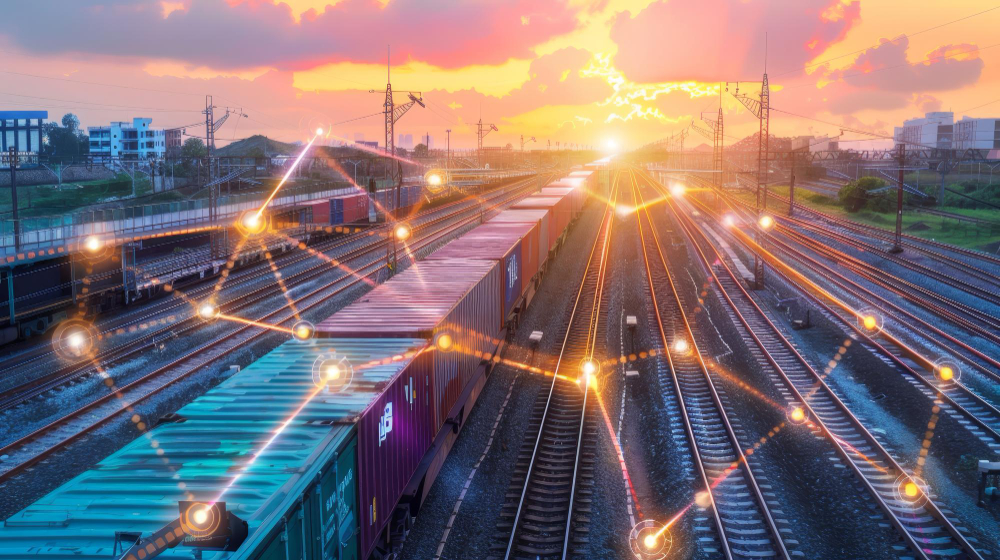
The Freight Operations Information System (FOIS) is the digital nervous system that Indian Railways, through CRIS, built to run freight. Since its launch in 2000, it has grown from a wagon-tracking tool into a complete freight business platform. Today, a customer can register demand for rakes, make e-payments, generate and transmit the Railway Receipt (RR), and track a consignment end-to-end, all through FOIS. Its two core engines, the Rake Management System (RMS) and the Terminal Management System (TMS), handle the operational and commercial sides of every movement.
In other words, FOIS already knows where your rake is, what it's carrying, and when it's likely to reach your siding.
Mechanically, integration works by drawing this railway data into the plant through the FNR, the reference number tied to every consignment, and matching it continuously against what your own systems already hold. The railway side stays exactly as it is; nothing about how Indian Railways operates needs to change. What changes is that the information stops sitting behind a login and starts arriving where the work actually happens: the yard, the weighbridge, the control room, and the procurement desk.
The problem is that this intelligence lives inside a railway portal. To use it, someone on your team has to log in, look it up, interpret it, and then relay it to the yard, the weighbridge, and the unloading crew. That manual relay is where time leaks out. FOIS integration simply means piping that live railway data directly into your own plant systems, so the information moves at the speed of operations, not at the speed of a phone call.
The Hidden Cost of Disconnected Rail Logistics
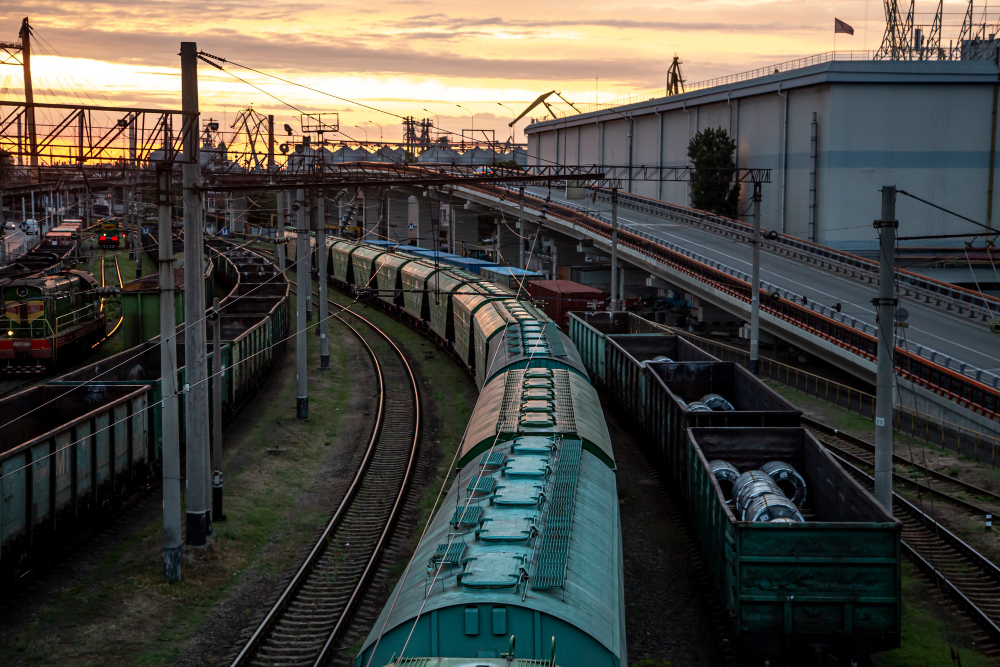
When the railway's data and the plant's operations don't talk to each other, the cost shows up in predictable places:
- Demurrage and wharfage. Railways charge for every hour a rake is held beyond the free time. If the yard isn't pre-positioned because nobody knew the rake was two hours out, the meter runs.
- Idle handling assets. Wagon tipplers, track hoppers, and unloading crews are expensive. An unprepared arrival means equipment and people stand waiting — or worse, a rake waits for them.
- Reconciliation disputes. Weights recorded at the plant weighbridge don't always match what the RR says. Without a single source of truth, these mismatches turn into slow, manual claims.
- Fuel-supply risk. For a thermal power plant, a delayed coal rake isn't a logistics inconvenience — it's a threat to generation. Turnaround time directly affects how many days of stock you can hold.
What makes these costs so easy to overlook is that no single instance is dramatic. A few demurrage hours here, a delayed reconciliation there, each one is small enough to absorb and forget. But a plant receiving several rakes a day, every day of the year, is absorbing the same leak hundreds of times over. It rarely triggers a board-level conversation, yet over a full year, it can quietly rival the cost of a piece of capital equipment. The losses are structural, not occasional, which is exactly why they respond to a systemic fix rather than a better-staffed control room.
Each of these is fixable. None of them is fixable with a clipboard.
What Changes the Moment FOIS Is Integrated
Connect FOIS data into the plant's operating environment, and the entire rhythm shifts from reactive to anticipatory.
You get advanced visibility. Instead of discovering a rake at the gate, FNR-based tracking against FOIS gives you a two- to six-hour heads-up before arrival. That window is everything; it's enough time to prepare yard lines, line up the tippler sequence, and position the crew before the rake rolls in.
You verify before you receive. Auto-matching the FNR (Freight Note Reference) against your own consignment and purchase data flags mismatches before the rake reaches your siding, not after the dispute lands on someone's desk.
You reconcile automatically. Weights captured at the plant can be checked against FOIS records in real time, so the numbers agree by default rather than after a week of back-and-forth.
You create one source of truth. When railway data, weighbridge data, and your ERP all draw from the same live feed, the daily 9 a.m. "Where are our rakes?" The call stops being a call at all. It becomes a dashboard.
The net effect is lower demurrage exposure, faster rake turnaround, fewer disputes, and a fuel or raw-material supply chain you can actually plan around.
There's a quieter benefit too, and it's about people. When the yard team, the weighbridge operator, and the procurement desk are all working from the same live picture, the day stops being a series of fire-fights. Decisions that used to depend on one experienced coordinator who "knows how the railway works" become repeatable and auditable. That resilience matters during shift changes, leave, and the inevitable day when the person who held it all in their head is unavailable.
What Good FOIS Integration Looks Like
Not every integration is created equal, and it's worth knowing what to ask for before you commit. A setup that genuinely moves the needle tends to share a few traits.
It should be live, not periodic, data that refreshes on a schedule is already stale by the time a rake is hours away. It should act on the data, not just display it: a dashboard that shows an incoming rake but still relies on someone to phone the yard has only moved the bottleneck. It should reconcile against your own records automatically, so FNR, weighment, and consignment data agree by default. And it should fit into the systems your team already uses rather than adding one more screen to monitor. Integration that fails this last test tends to be quietly abandoned within months, no matter how capable it looked in a demo.
The point of integration is to remove steps, not relocate them.
How We Think About This at Helious
So rather than give your team another portal to watch, Rake Guard runs the full wagon-handling cycle as an autonomous Rail Logistics System. Because the platform is camera-native and built on an agentic AI layer, a rake dispatched in the middle of the night can trigger the whole sequence, yard preparation, tippler assignment, hopper routing, unloading, reconciliation, and have it logged before the morning shift supervisor walks in.
Here's what Rake Guard does across the cycle:
- FOIS-Integrated Live Rake Tracking — pulls live rake position directly from Indian Railways FOIS, auto-verifies FNR against your consignment records, and flags mismatches before the rake reaches your siding, giving your team 2–6 hours of lead time to prepare.
- Unmanned Wagon Tippler System — fully automated PLC tippling governed by AI logic, with an automatic re-tipping if cameras detect residual material, and zero-human-presence verification before every cycle.
- Wagon-wise Automatic Weighing — captures each wagon's weight with a digital slip and full traceability, reconciled against FOIS.
- Smart Yard Movement Monitoring — AI assigns and routes wagons by track availability and priority, cutting rake turnaround time by 10–25% with no additional infrastructure.
- Wagon tippler allocation — sequences wagons by material, wagon type, and real-time tippler status, rerouting instantly during downtime.
- Hopper efficiency automation — directs each wagon to the right hopper, checks alignment by camera, and flags blockages automatically.
- AI safety layer — human detection in the side-charger zone, bulged-wagon detection before the tippler, and automated level-crossing control with boom barriers and obstacle scanning.
We work with steel, power, cement, and mining operations because they share the same pain: high-value handling assets, tight turnaround windows, and a railway data stream that, until now, lived just out of reach.
Our approach is deliberately built on proof rather than promises, measured against real metrics like demurrage hours saved and turnaround time reduced, with cleaner, more accountable logistics as the longer-term payoff on the road to lower-emission operations.
Conclusion
For a steel or power plant, rail logistics is mission-critical and, until recently, stubbornly opaque. FOIS solved the data problem years ago; what it could never do alone was deliver that data to the people running the yard. Integration is the bridge.
Done well, it turns rail logistics from a daily scramble into a planned, measurable operation, lower demurrage, faster turnaround, cleaner reconciliation, and a supply chain leadership can finally forecast. That is the real transformation: not a new dashboard, but a plant that knows what's coming and is ready before it arrives.
If you're carrying avoidable demurrage or chasing rake status by phone, that's exactly the gap FOIS integration is meant to close. Contact us at Helious Tech Solutions for a Rake Guard walkthrough tailored to your plant.
Frequently Asked Questions
Q1. What is FOIS tracking integration, and why does it matter for steel and power plants?
FOIS tracking integration pulls Indian Railways' live rake and FNR data directly into your plant systems. Steel and power plants get 2–6 hours of advance arrival visibility, enough time to prepare yards, avoid demurrage, and reconcile weights automatically.
Q2. How does AI rail logistics in a steel plant actually work end-to-end?
AI rail logistics in a steel plant runs as a chain, FOIS pulls the FNR, agentic AI sequences the tippler and hopper, PLC automation handles unloading, and cameras inspect each stage. Weights reconcile automatically against FOIS before release.
Q3. How much can FOIS integration reduce coal rake turnaround time?
Coal rake turnaround time drops sharply when FOIS data replaces manual coordination. With 2–6 hours of advance visibility, AI-driven yard routing, and automated tippler sequencing, plants typically see a 10–25% reduction in TAT without adding any new physical infrastructure.
Q4. Why is rail wagon monitoring AI India-specific rather than off-the-shelf?
Rail wagon monitoring AI in India must read FOIS, decode FNR formats, identify Indian Railways wagon numbers, and handle local yard layouts. Generic global systems miss this stack entirely, which is why India-built, camera-native platforms work where imported ones stall.
Q5. What should heavy industry buyers look for in a rake management system in India?
A modern rake management system in India should integrate live FOIS, auto-verify FNR, automate tippler and hopper routing, capture wagon-wise weights, and reconcile against FOIS — all under one agentic layer. Standalone modules leave the manual gaps intact.